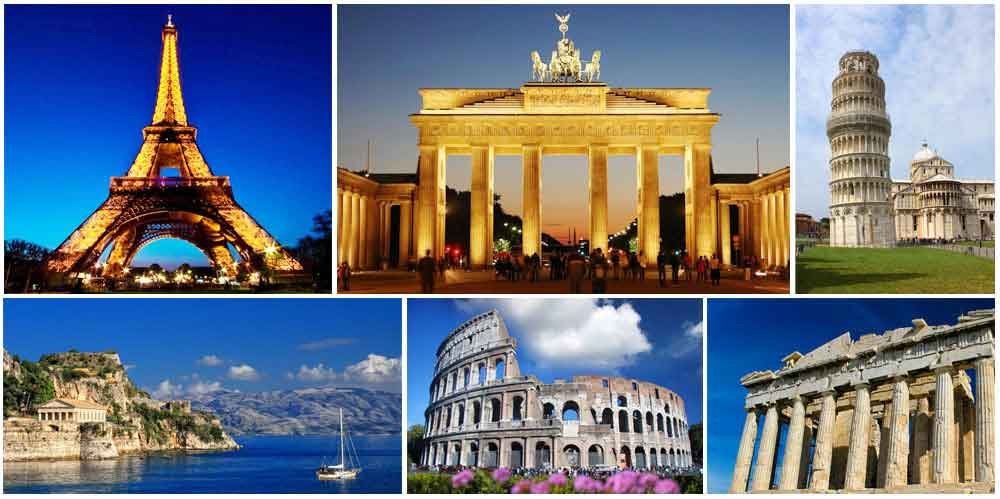
Europe is one of the most popular travel destinations in the world. Every year, millions of tourists visit European countries to explore historical landmarks, beautiful cities, cultural attractions, natural landscapes, and famous tourist destinations. If you are planning a vacation, family visit, business trip, or short-term travel, obtaining a Europe Visit Visa is usually the first step.
This guide explains everything you need to know about the Europe Visit Visa, including eligibility requirements, application procedures, required documents, processing time, visa fees, and useful travel tips.
What Is a Europe Visit Visa?
A Europe Visit Visa is a short-term visa that allows travelers to enter European countries for tourism, sightseeing, family visits, business meetings, cultural events, or short-term recreational activities.
Most travelers apply for a Schengen Visa, which permits travel within multiple European countries under a single visa. The Schengen Area includes many popular destinations such as France, Germany, Italy, Spain, Netherlands, Belgium, Switzerland, Greece, and others.
Benefits of a Europe Visit Visa
A Europe Visit Visa offers several advantages:
- Visit multiple countries with one visa.
- Explore famous tourist attractions.
- Attend business meetings and conferences.
- Visit family members and friends.
- Experience different cultures and traditions.
- Travel freely within Schengen countries.
- Enjoy world-class transportation systems.
- Visit historical sites and natural wonders.
Countries Covered Under the Schengen Visa
The Schengen Area includes countries such as:
- Germany
- France
- Italy
- Spain
- Portugal
- Netherlands
- Belgium
- Austria
- Switzerland
- Greece
- Denmark
- Sweden
- Norway
- Finland
- Poland
- Czech Republic
- Hungary
- Slovakia
- Slovenia
- Estonia
- Latvia
- Lithuania
- Luxembourg
- Malta
- Iceland
Travelers can usually move freely between these countries after entering the Schengen Area.
Types of Europe Visit Visas
1. Tourist Visa
This visa is issued for tourism, vacations, and sightseeing purposes.
2. Family Visit Visa
Suitable for individuals visiting relatives or friends living in Europe.
3. Business Visit Visa
For business meetings, conferences, exhibitions, and professional events.
4. Medical Visit Visa
Issued to travelers seeking medical treatment in European countries.
5. Cultural or Sports Event Visa
For participation in cultural, educational, or sports activities.
Eligibility Requirements
Applicants generally need to meet the following requirements:
- Valid passport
- Sufficient financial resources
- Travel itinerary
- Return flight reservation
- Travel insurance
- Accommodation proof
- Genuine travel purpose
- Clean immigration history
Meeting these requirements improves visa approval chances.
Required Documents
The following documents are commonly required:
Valid Passport
Your passport should:
- Be valid for at least three months after your planned departure.
- Have at least two blank pages.
- Be issued within the last ten years.
Visa Application Form
Complete the visa application form accurately and honestly.
Passport Photographs
Recent passport-size photographs according to embassy specifications.
Flight Reservation
Proof of round-trip travel arrangements.
Hotel Booking
Accommodation confirmation for your stay.
Travel Insurance
Travel medical insurance covering emergency medical expenses and repatriation.
Financial Documents
Applicants may submit:
- Bank statements
- Salary slips
- Tax documents
- Employment letter
- Business registration documents
Cover Letter
A cover letter explaining:
- Purpose of visit
- Travel dates
- Planned destinations
- Financial arrangements
Europe Visit Visa Application Process
Step 1: Determine Your Destination
Identify the country where you will spend the most time.
Step 2: Gather Documents
Collect all required supporting documents before submitting your application.
Step 3: Schedule an Appointment
Book an appointment with the embassy, consulate, or visa application center.
Step 4: Submit Biometrics
Most applicants provide fingerprints and photographs.
Step 5: Attend Visa Interview
Some applicants may be required to attend a visa interview.
Step 6: Pay Visa Fee
Pay the applicable visa processing fee.
Step 7: Wait for Processing
The embassy reviews your application and supporting documents.
Step 8: Receive Decision
You will receive either:
- Approved visa
- Request for additional documents
- Visa refusal notice
Europe Visit Visa Fees
Visa fees may vary depending on age and nationality.
Typical expenses include:
| Expense | Estimated Cost |
|---|---|
| Visa Fee | €80-€90 |
| Travel Insurance | €20-€100 |
| Document Translation | Variable |
| Courier Services | Variable |
| Visa Center Charges | Variable |
Additional charges may apply depending on the country and service provider.
Processing Time
Most Europe Visit Visa applications are processed within:
- 15 to 30 calendar days
During peak travel seasons, processing may take longer. It is advisable to apply several weeks before your planned travel date.
Financial Requirements
Applicants should demonstrate sufficient funds to cover:
- Accommodation
- Transportation
- Food expenses
- Tourism activities
- Emergency situations
Strong financial documentation can significantly strengthen a visa application.
Common Reasons for Visa Refusal
Visa applications may be rejected due to:
- Incomplete documentation
- Insufficient financial resources
- Unclear travel purpose
- Suspicious travel history
- False information
- Invalid travel insurance
- Lack of ties to home country
Providing accurate information helps reduce the risk of refusal.
Tips for Increasing Visa Approval Chances
Submit Complete Documents
Ensure every required document is included.
Maintain Good Financial Records
Provide clear and consistent bank statements.
Write a Professional Cover Letter
Explain your travel plans clearly.
Show Strong Home-Country Ties
Evidence such as employment, business ownership, property, or family responsibilities may support your application.
Be Honest
Never submit false documents or misleading information.
Popular Tourist Destinations in Europe
France
Famous for:
- Eiffel Tower
- Louvre Museum
- French Riviera
Italy
Popular attractions include:
- Rome
- Venice
- Florence
- Milan
Spain
Known for:
- Barcelona
- Madrid
- Seville
Switzerland
Famous for:
- Alps Mountains
- Zurich
- Geneva
- Interlaken
Germany
Popular destinations include:
- Berlin
- Munich
- Hamburg
- Cologne
Netherlands
Visitors enjoy:
- Amsterdam
- Canals
- Museums
- Tulip gardens
Travel Insurance Importance
Travel insurance is usually mandatory for Schengen Visa applicants.
Coverage typically includes:
- Medical emergencies
- Hospital treatment
- Emergency evacuation
- Repatriation expenses
Having adequate insurance protects travelers during their stay.
Travel Tips for Europe Visitors
- Carry copies of important documents.
- Respect local laws and regulations.
- Keep emergency contact information available.
- Use secure payment methods.
- Purchase travel insurance before departure.
- Follow visa conditions carefully.
- Avoid overstaying your visa.
Can a Europe Visit Visa Be Extended?
Visa extensions are generally granted only in exceptional circumstances such as:
- Medical emergencies
- Humanitarian reasons
- Unforeseen events
Extensions are not automatically approved and must meet legal requirements.
Conclusion
A Europe Visit Visa offers an excellent opportunity to explore some of the world’s most beautiful countries and cultural destinations. Proper preparation, accurate documentation, sufficient financial evidence, and a well-planned travel itinerary can significantly improve the likelihood of visa approval.